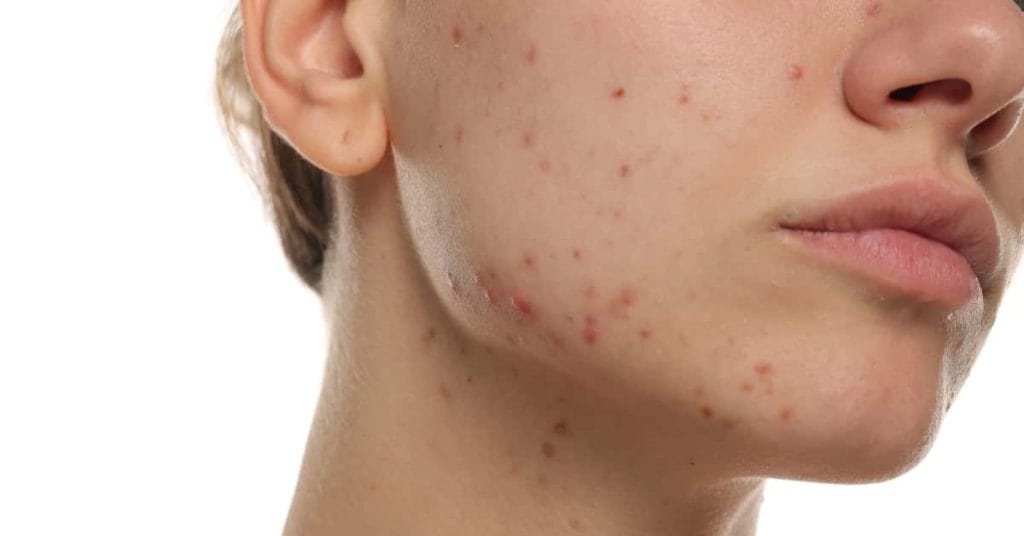
Breakouts along your jawline are often a sign of hormonal acne rather than regular pimples. These breakouts typically show up as painful, deep cysts that appear on your lower face, especially along your chin and jawline. Unlike the occasional pimple, hormonal jawline acne tends to return month after month and doesn’t always respond to standard treatments.
Hormonal acne occurs when androgens like testosterone overstimulate your oil glands, leading to excess oil production, clogged pores, and inflammation deep beneath your skin’s surface. This explains why jawline acne often results from hormones and why it feels different from breakouts you may have had as a teenager. Women in their 20s, 30s, and 40s commonly experience these breakouts, even if they never had acne before.
Understanding what causes your jawline breakouts is the first step toward finding treatment that actually works. This guide will walk you through how to recognize hormonal patterns, what happens beneath your skin to create cystic acne, and which treatments can help you manage and prevent future breakouts. You’ll learn about medical options, lifestyle changes, and when to see a dermatologist for persistent cystic jawline acne.
Recognizing Jawline Acne and Its Unique Patterns
Jawline breakouts have specific characteristics that set them apart from acne on other parts of your face. These breakouts typically appear as deeper, more painful lesions that follow your menstrual cycle or periods of high stress.
Common Signs and Symptoms
Acne on the jawline often shows up as tender bumps beneath your skin’s surface. You might notice these breakouts appearing in the same spots month after month, especially along your lower face from ear to chin.
Key warning signs include:
- Deep, painful bumps that don’t come to a head
- Breakouts that worsen during certain times of your menstrual cycle
- Inflammation that lasts longer than typical pimples
- Post-acne marks that remain for weeks or months
Jawline pimples are particularly concerning because they tend to form raised scars more easily than acne in other areas. The lesions often feel warm to the touch and create a throbbing sensation. Some people experience itching or burning before a breakout appears.
How Jawline Acne Differs From Other Types
Jawline acne behaves differently than breakouts on your forehead or nose. While blackheads and whiteheads are common in your T-zone, chin breakouts typically manifest as deeper inflammatory acne.
The skin along your jaw is thicker and has more oil glands that respond to hormonal changes. This makes cystic acne more likely to develop in this area. Unlike the small surface bumps you might see on your forehead, jawline lesions grow beneath the skin and take longer to heal.
Hormonal acne targets your jawline and chin due to androgen receptors concentrated in the lower face. These receptors respond to hormone fluctuations by increasing oil production. The result is larger, more stubborn breakouts that don’t respond well to typical spot treatments.
Who Is Most Affected
Adult female acne commonly appears along the jawline, particularly in women between ages 25 and 45. Hormonal shifts during your menstrual cycle, pregnancy, or perimenopause make you more prone to these breakouts.
Women taking or stopping birth control pills often experience jawline acne. The same applies if you have conditions like polycystic ovary syndrome (PCOS). Men can also develop adult acne along the jawline, though it’s less common.
You’re at higher risk if you have a history of acne during puberty. However, many people experience their first breakouts as adults. Stress levels, sleep quality, and dietary choices can also influence who develops female acne patterns along the jaw.
Types of Lesions Seen on the Jawline
Your jawline can develop several types of acne lesions. Cysts are the most common and problematic type. These are large, pus-filled lumps that form deep under your skin and feel soft to the touch.
Lesion types you might see:
| Lesion Type | Appearance | Pain Level |
|---|---|---|
| Cysts | Large, soft lumps under skin | High |
| Nodular acne | Hard, painful bumps | Very high |
| Papules | Small red bumps | Moderate |
| Pustules | Red bumps with white centers | Moderate |
| Comedones | Blackheads or whiteheads | Low to none |
Papules appear as small, red, raised bumps without a visible center. Pustules look similar but have a white or yellow center filled with pus. Nodular acne creates hard, painful lumps that can last for weeks.
Comedones are less common on the jawline but can still appear. Inflammatory acne dominates this area, causing redness and swelling that spreads beyond the actual breakout.
The Hormonal Blueprint: What Drives Jawline Breakouts?
Hormones control oil production in your skin, and when androgens spike or other hormones fall out of balance, your jawline becomes a target zone for breakouts. Different life stages, menstrual phases, and underlying conditions like PCOS can all trigger these hormonal shifts that lead to painful cystic acne along your jaw.
Androgens and Sebum Production
Androgens are hormones that tell your sebaceous glands to produce sebum. When androgen levels rise, your oil glands work overtime and create excess sebum.
Testosterone is the main androgen that affects your skin. Your body converts some testosterone into a more potent form called dihydrotestosterone (DHT), which binds to receptors in your sebaceous glands. This triggers them to enlarge and pump out more oil than your skin needs.
The excess sebum mixes with dead skin cells and clogs your hair follicles. Bacteria then get trapped inside these blocked pores, causing inflammation and those deep, painful bumps you feel along your jawline. Your jawline has more androgen receptors than other parts of your face, which explains why breakouts concentrate in this area when hormone levels shift.
Sex hormone-binding globulin (SHBG) plays a key role too. This protein binds to testosterone and makes it inactive. When SHBG levels drop, more free testosterone circulates in your blood and reaches your skin cells.
Menstrual Cycle and Hormonal Fluctuations
Your hormone levels change throughout your menstrual cycle, and these shifts directly affect your skin. Estrogen levels peak during the first half of your cycle, keeping oil production under control. Progesterone rises after ovulation and can trigger your sebaceous glands to produce more sebum.
Hormonal fluctuations before your period cause breakouts for many people. In the week before menstruation starts, progesterone levels stay high while estrogen drops. This imbalance leads to increased oil production and inflammation.
Luteinizing hormone (LH) and follicle-stimulating hormone (FSH) also fluctuate during your cycle. These hormones don’t directly cause acne, but they control estrogen and progesterone production. When LH and FSH levels become imbalanced, they can disrupt the entire hormonal cascade that affects your skin.
Some people notice their jawline acne follows a predictable monthly pattern. Breakouts typically start about seven to ten days before your period begins and may continue through the first few days of menstruation.
PCOS and Hormonal Disorders
Polycystic ovary syndrome (PCOS) creates a hormonal imbalance that leads to persistent jawline acne. This condition causes your ovaries to produce excess androgens, which overstimulate your oil glands.
Common PCOS symptoms include:
- Irregular periods or missed menstrual cycles
- Hirsutism (excess hair growth on face and body)
- Thinning scalp hair
- Weight gain, especially around the abdomen
- Skin tags
- Dark patches of skin along neck creases and body folds
PCOS also causes insulin resistance in many cases. When your cells don’t respond properly to insulin, your pancreas makes more of it. High insulin levels trigger your ovaries to produce even more androgens. This creates a cycle where both insulin and androgens stay elevated.
Insulin-like growth factor 1 (IGF-1) levels often rise alongside insulin resistance. IGF-1 stimulates cell growth in your sebaceous glands and increases sebum production. It also promotes the growth of skin cells that can block your pores.
An endocrinologist can test your hormone levels to diagnose PCOS. They’ll typically check testosterone, LH, FSH, and other markers. Treatment focuses on balancing your hormones through medication, lifestyle changes, or both.
Hormonal Changes Linked to Life Stages
Adult-onset acne affects many people who never had breakouts during their teenage years. Your hormones shift during major life transitions, and these changes can trigger jawline breakouts even in your 30s, 40s, or beyond.
Pregnancy brings dramatic hormonal fluctuations. Your body produces more progesterone and other hormones to support the developing baby. Some people experience clearer skin during pregnancy, while others develop acne during the first trimester when hormone levels surge rapidly.
Perimenopause and menopause cause estrogen levels to decline. This drop makes androgens more dominant in your system, even though total androgen levels might not increase. The changed ratio between estrogen and testosterone leads to more oil production and breakouts.
Stress elevates cortisol, your body’s main stress hormone. High cortisol levels can worsen acne by increasing inflammation and triggering your sebaceous glands to produce more oil. Chronic stress also disrupts other hormones like estrogen and progesterone, creating additional imbalances that affect your skin.
Starting or stopping hormonal birth control changes your hormone levels significantly. Your skin might break out when you begin taking the pill as your body adjusts, or when you stop taking it and your natural hormone production resumes.
Underlying Acne Mechanisms on the Jawline
Jawline acne develops through a specific chain of events involving your oil glands, blocked pores, and bacterial activity. These processes work together to create the painful, persistent breakouts common in this area.
Role of Sebaceous Glands
Your sebaceous glands produce sebum, an oily substance that keeps your skin moisturized and protected. When hormones like androgens increase, these glands go into overdrive and create excess oil.
The jawline has a high concentration of sebaceous glands that are particularly sensitive to hormonal changes. During your menstrual cycle, pregnancy, or times of stress, your body produces more androgens. These hormones signal your oil glands to pump out more sebum than your skin needs.
This extra sebum creates an environment where acne can thrive. The oil mixes with dead skin cells on your skin’s surface and becomes thick and sticky. Your jawline glands respond strongly to even small hormonal shifts, which explains why breakouts appear in this area during specific times of your cycle.
Clogged Pores and Comedone Formation
When excess sebum combines with dead skin cells, the mixture gets trapped inside your pores. This creates comedones, which are the starting point for most acne.
Two types of comedones form on your jawline:
- Blackheads (open comedones): The pore stays open and the trapped material oxidizes, turning dark
- Whiteheads (closed comedones): The pore closes completely, trapping the sebum and dead cells under your skin
Closed comedones on your jawline often develop into deeper, more painful cysts. The skin in this area is thicker, so blocked pores have less opportunity to drain naturally. These clogged pores stretch your pore walls and create pressure beneath your skin’s surface.
Inflammation and Bacterial Overgrowth
Cutibacterium acnes bacteria live naturally on your skin and feed on sebum. When your pores get clogged with excess oil, these bacteria multiply rapidly in the oxygen-free environment.
Your immune system recognizes this bacterial overgrowth as a threat and sends white blood cells to fight the infection. This immune response causes the redness, swelling, and pain you feel with jawline breakouts. The inflammation can extend deep into your skin layers, creating nodules or cysts that last for weeks.
Jawline acne causes inflammation that damages surrounding skin tissue. After the breakout heals, you may notice post-inflammatory hyperpigmentation, which appears as dark spots or marks. These spots fade slowly and can last several months, especially on darker skin tones.
Other Key Triggers: Lifestyle, Diet, and External Factors
While hormones play a major role in jawline breakouts, your daily habits and environment can make acne worse. Stress levels, food choices, skincare products, and physical friction all affect how your skin behaves.
Impact of Stress and Cortisol
When you experience stress, your body releases cortisol. This hormone tells your oil glands to produce more sebum, which can clog your pores and lead to breakouts.
High cortisol levels also increase inflammation throughout your body. This makes existing acne worse and slows down your skin’s healing process.
Stress management techniques can help reduce cortisol:
- Regular exercise
- Getting 7-9 hours of sleep each night
- Meditation or deep breathing exercises
- Taking breaks from screens
Chronic stress creates a cycle where breakouts cause more stress, which then triggers more acne. Breaking this pattern requires both skincare treatment and addressing your stress levels directly.
Dietary Influences and High-Glycemic Foods
Your diet affects your hormone levels and oil production. Foods with high glycemic content influence insulin and androgens, which can trigger acne.
High-glycemic foods that may worsen jawline acne include:
- White bread and pasta
- Sugary drinks and candy
- White rice
- Breakfast cereals with added sugar
- Baked goods and pastries
These foods cause rapid spikes in blood sugar. Your body responds by producing more insulin, which can increase oil production and inflammation in your skin.
Some studies suggest dairy products may also contribute to breakouts in certain people. If you notice patterns between specific foods and your acne, consider reducing those items from your diet.
Skincare Routines and Cosmetic Products
The products you put on your face matter more than you might think. Heavy makeup, thick moisturizers, or pore-clogging ingredients can trap oil and bacteria along your jawline.
Always choose non-comedogenic products that won’t block your pores. Look for this label on your moisturizers, sunscreens, and makeup.
Use a gentle cleanser twice daily instead of harsh scrubs. Over-washing or using aggressive products strips your skin’s natural oils, which makes your glands produce even more oil to compensate.
Non-comedogenic cleanser options work well for acne-prone skin because they remove dirt and oil without causing irritation. Avoid products with:
- Heavy oils like coconut oil
- Thick butter-based formulas
- Silicones that can trap debris
Change your pillowcases every few days and clean your phone screen regularly. These surfaces collect oil and bacteria that transfer back to your jawline.
Mechanical and Environmental Contributors
Physical friction and pressure on your jawline can cause acne mechanica. This type of acne develops when something repeatedly rubs against your skin.
Common causes of mechanical acne include:
- Chin straps from helmets or sports equipment
- Resting your chin on your hands
- Tight shirt collars
- Musical instruments that press against your jaw
Maskne became widespread during the pandemic. Face masks trap moisture, oil, and bacteria against your skin. If you wear masks regularly, wash reusable ones after each use and take breaks when safe to do so.
Pomade acne happens when hair products containing oils or waxes touch your jawline. Keep hair products away from your face and tie back long hair at night.
Environmental factors like pollution and humidity also play a role. Pollutants can settle on your skin and mix with oil to clog pores. In humid weather, you produce more sweat and oil, which increases your risk of breakouts.
Treatment Strategies: Medical and Topical Solutions
Treating hormonal jawline acne requires prescription-strength medications that address both surface breakouts and internal hormonal triggers. Dermatologists typically combine topical retinoids with oral medications or hormonal therapies to target the deep, painful cysts that form along your lower face.
Topical Retinoids and Retinoid Alternatives
Retinoids work by increasing cell turnover and preventing clogged pores in your jawline area. Tretinoin remains the gold standard prescription retinoid, but you may start with adapalene (sold as Differin Gel), which is available over-the-counter and causes less irritation.
Your dermatologist might prescribe tazarotene if you need a stronger option. This retinoid penetrates deeply but can cause dryness and peeling, especially during the first few weeks.
If you can’t tolerate traditional retinoids, clascoterone (brand name Winlevi) offers an alternative approach. This topical treatment blocks androgens directly in your skin rather than working through cell turnover. It’s particularly effective for hormonal acne patterns.
Dapsone gel provides another non-retinoid option that reduces inflammation without the typical retinoid side effects. You apply it twice daily, and it works well when combined with other treatments.
Prescription Medications and Oral Treatments
Oral antibiotics like doxycycline and minocycline reduce the bacteria and inflammation that contribute to cystic jawline breakouts. You typically take these for three to six months while other treatments begin working.
Isotretinoin (commonly known as Accutane) treats severe cystic acne that doesn’t respond to other medications. This powerful oral retinoid shrinks oil glands and provides long-term results, but requires monthly monitoring and strict pregnancy prevention.
Spironolactone blocks androgens that trigger oil production in your skin. Women who have acne along their jawline and lower face tend to have good results from this medication. You’ll need regular blood tests to monitor potassium levels.
Oral contraceptives regulate the hormones that cause jawline breakouts. Your doctor will choose a formulation that contains both estrogen and progestin to balance androgens effectively.
Targeted Spot Treatments and Extractions
Benzoyl peroxide kills acne-causing bacteria and reduces inflammation in active breakouts. You can apply 2.5% to 5% concentrations directly to cystic areas on your jawline.
Salicylic acid penetrates oil-filled pores to dissolve debris and reduce swelling. This ingredient works best for smaller bumps rather than deep cysts.
Topical antibiotics like clindamycin reduce bacteria when applied to your jawline. Dermatologists often combine these with benzoyl peroxide to prevent antibiotic resistance.
Professional extractions performed by your dermatologist can safely drain large cysts without causing scarring. Never attempt to pop or squeeze cystic acne on your jawline yourself, as this pushes bacteria deeper and worsens inflammation.
Hormonal Therapies and Specialist Intervention
Your dermatologist may refer you to an endocrinologist if blood tests reveal conditions like polycystic ovary syndrome (PCOS) or elevated androgen levels. These specialists identify the hormonal imbalances driving your jawline breakouts.
Combination therapy delivers the best results for hormonal acne concentrated along the jawline. Your treatment plan might include spironolactone, topical retinoids, and benzoyl peroxide used together.
You’ll need at least three months to see significant improvement with hormonal treatments. Your doctor will adjust dosages based on your response and any side effects you experience during this period.
Prevention and Maintenance for Clearer Skin
Keeping your jawline clear after treating breakouts requires consistent habits and smart product choices. Focus on gentle cleansing routines, avoiding triggers like pore-clogging ingredients, and maintaining long-term care strategies that address hormonal patterns.
Building a Supportive Skincare Routine
Start with a gentle cleanser twice daily to remove oil and debris without stripping your skin. Look for a non-comedogenic cleanser that won’t block your pores.
After cleansing, apply products with ingredients like niacinamide to calm inflammation and fade dark spots. This ingredient helps with post-inflammatory hyperpigmentation that often appears after breakouts heal.
Use spot treatments only on active breakouts rather than your entire face. This targeted approach prevents unnecessary irritation to clear skin. Follow with a lightweight, non-comedogenic moisturizer to keep your skin balanced.
Keep your routine simple and consistent. Too many products can overwhelm your skin and make it harder to identify what works. Give new products at least 6-8 weeks before deciding if they help.
Lifestyle Adjustments to Limit Triggers
Avoid touching your jawline throughout the day, especially with unwashed hands or your phone. Clean your phone screen daily with an alcohol wipe to remove bacteria and oils.
Keep hair products away from your face. Styling creams, oils, and sprays can transfer to your jawline and clog pores. Tie your hair back when sleeping or working out.
Manage stress through regular sleep, movement, or relaxation practices. Stress increases cortisol levels, which can trigger more oil production in your skin.
Watch your diet if you notice patterns between certain foods and breakouts. High-sugar foods and excess dairy may worsen hormonal acne in some people. Choose vegetables, leafy greens, and balanced meals when possible.
Non-Comedogenic Product Choices
All skincare and makeup you use should be labeled non-comedogenic. This means the formula is designed not to clog your pores.
| Product Type | What to Look For | What to Avoid |
|---|---|---|
| Cleanser | Non-comedogenic, gentle, sulfate-free | Harsh scrubs, heavy oils |
| Moisturizer | Oil-free, lightweight, non-comedogenic | Thick creams, coconut oil |
| Makeup | Non-comedogenic, mineral-based | Heavy foundations, comedogenic oils |
| Sunscreen | Oil-free, non-comedogenic | Heavy, greasy formulas |
Remove all makeup completely before bed. Sleeping with makeup on is one of the fastest ways to prevent jawline acne from staying clear.
Switch to fragrance-free options when possible. Added fragrances can irritate sensitive skin and trigger inflammation along your jawline.
Long-Term Management of Jawline Acne
Work with a dermatologist for ongoing hormonal treatments if your breakouts follow your menstrual cycle. Low-dose medications like spironolactone or birth control pills can prevent future flare-ups.
Continue using low-dose retinoids even when your skin is clear. These keep pores from clogging and help your skin renew itself faster.
Schedule regular check-ins with your healthcare provider every 3-6 months. They can adjust your treatment based on changes in your skin or hormone levels.
Track your breakout patterns in a simple calendar or phone app. Note when breakouts happen, what products you’re using, and any life changes. This information helps you and your provider identify triggers and adjust your care plan.
Managing Persistent and Severe Jawline Cystic Acne
Severe cystic acne on your jawline often requires medical intervention beyond basic skincare products. Professional treatments can address deep breakouts, prevent future scarring, and manage marks left behind from previous acne.
When to Seek Professional Help
You should see a dermatologist if over-the-counter treatments haven’t worked after 6-8 weeks of consistent use. Cystic acne along the jawline lies deep beneath your skin surface and feels painful and inflamed.
Contact a doctor or dermatologist if you notice signs of hormonal imbalances like irregular periods, thinning hair, facial hair growth, or unexplained weight gain. These symptoms may point to polycystic ovary syndrome (PCOS), which needs medical treatment.
A dermatologist can examine your skin and create a treatment plan for your specific needs. If your acne connects to hormonal issues, your dermatologist might refer you to an endocrinologist who specializes in hormone disorders.
Options for Resistant or Recurrent Acne
Your dermatologist may prescribe oral antibiotics for several months, usually combined with topical treatments. Birth control pills can help reduce hormonal acne and treat PCOS symptoms if hormones trigger your breakouts.
Spironolactone works well for stubborn hormonal acne that hasn’t responded to other options. This medication blocks androgens that cause your oil glands to overproduce sebum.
For severe nodular acne, your doctor might recommend isotretinoin (also known as Accutane). This powerful medication treats deep, resistant breakouts but requires careful monitoring due to potential side effects.
Other professional treatments include:
- Chemical peels to remove dead skin cells
- Light therapy to reduce inflammation
- Corticosteroid injections for large, painful cysts
- Acne surgery for stubborn lesions
Managing Scarring and Post-Acne Marks
Post-inflammatory hyperpigmentation appears as dark spots where acne healed. These post-acne marks fade over time but can take months to disappear completely.
Topical retinoids speed up cell turnover and help fade dark spots. Your dermatologist can prescribe stronger retinoid formulations than what you find over the counter.
Chemical peels remove damaged outer layers of skin and improve the appearance of acne scars. Professional treatments work faster than at-home options for reducing post-acne marks.
Laser treatments and microneedling can address deeper acne scars. Your dermatologist will recommend the best option based on your scar type and skin tone. Never pick or pop cystic acne, as this increases your risk of permanent scarring and infection.
Frequently Asked Questions
Adult jawline breakouts often stem from hormone shifts, stress, and specific skin conditions that need different treatment approaches than facial acne. Understanding when to seek professional help can make the difference between months of frustration and effective clearing.
What are the most common causes of breakouts concentrated along the jawline in adult women?
Hormonal fluctuations are the primary cause of jawline breakouts in adult women. Your jawline has more hormone receptors than other facial areas, making it especially sensitive to changes in androgens like testosterone.
These hormones increase oil production in your skin glands. When excess oil combines with dead skin cells and bacteria, it creates deep, painful breakouts.
Menstrual cycle changes typically trigger flares 7-10 days before your period starts. Pregnancy, PCOS, and high stress levels also cause similar hormone shifts that target this area.
Friction from face masks, chin straps, or phones rubbing against your skin can also cause breakouts. This type is called acne mechanica and looks different from hormone-driven breakouts.
How can you tell whether jawline acne is driven by hormones versus irritation or clogged pores?
Hormonal acne appears as deep, tender cysts along your jawline and chin that feel painful to touch. These breakouts tend to last longer than surface-level pimples and don’t come to a head easily.
The timing gives you another clue. If your breakouts flare around your period, during ovulation, or when you’re stressed, hormones are likely the cause.
Friction-related breakouts show up as a mix of pustules and blackheads where something rubs against your skin repeatedly. These blemishes are usually smaller and closer to the surface than hormonal cysts.
Clogged pores from products create small whiteheads and blackheads rather than deep, painful lumps. You’ll often see these breakouts after starting a new skincare product or makeup.
What at-home skincare routine is most effective for persistent jawline breakouts?
Start with a gentle cleanser that you massage into your skin for one to two minutes. Pay extra attention to your jawline and neck, as these areas often get missed during quick face washing.
Use a product with salicylic acid to help dissolve oil from your pores. This ingredient works well for both clogged pores and mild hormonal breakouts.
Retinoids help prevent your pores from clogging by speeding up cell turnover. You can start with an over-the-counter retinol product and apply it at night.
Make sure all your products are labeled non-comedogenic. Products that clog pores can gather along your jawline and worsen breakouts in this area.
Double cleanse at night if you wear makeup or sunscreen. You can use micellar water on a cotton pad after washing to check if product residue remains on your skin.
Which prescription treatments work best for deep, painful jawline cysts?
Spironolactone is one of the most effective prescription options for hormonal cysts. This medication blocks androgens from triggering excess oil production in your skin glands.
Birth control pills that contain both estrogen and progesterone can regulate hormone fluctuations. These work especially well if your breakouts sync with your menstrual cycle.
Prescription-strength retinoids like tretinoin penetrate deeper than over-the-counter versions. Your dermatologist may prescribe these to prevent pores from clogging at a cellular level.
Oral antibiotics can reduce inflammation and bacteria for severe cases. These are typically used short-term while other treatments start working.
For immediate relief of painful cysts, cortisone injections can reduce swelling within 24 to 48 hours. This option works best for occasional large breakouts rather than ongoing treatment.
When should you see a dermatologist for recurring jawline and neck breakouts?
You should schedule an appointment if over-the-counter products haven’t improved your skin after 6 to 8 weeks. Deep, painful cysts that don’t respond to basic treatments need professional evaluation.
See a dermatologist if your breakouts leave dark marks or scars. Early treatment prevents permanent skin damage that becomes harder to correct later.
A board-certified dermatologist can create a personalized treatment plan that addresses your specific triggers and underlying causes. They can also help manage any hormonal issues contributing to your breakouts.
If your acne suddenly worsens or appears for the first time as an adult, get evaluated. This change could signal an underlying health condition that needs attention.
Can conditions like PCOS contribute to recurring acne patterns along the lower face, and when should you get evaluated?
PCOS frequently causes hormonal acne along the jawline due to elevated androgen levels. Women with this condition often experience persistent breakouts that don’t respond well to typical acne treatments.
Other PCOS symptoms include irregular periods, excess facial hair, and difficulty losing weight. If you notice these signs along with stubborn jawline acne, talk to your doctor.
You should get evaluated if you have severe acne combined with menstrual irregularities. Blood tests can check your hormone levels and confirm whether PCOS or another hormonal imbalance is present.
Early diagnosis matters because PCOS affects more than just your skin. Managing the condition can improve your acne while addressing other health concerns like insulin resistance and fertility.
Your doctor may refer you to both a dermatologist and an endocrinologist for comprehensive care. Treatment often includes medications that address both the hormonal imbalance and the resulting skin issues.